By: Jody Jensen Huerta, III-A Health Coach
High blood pressure, or hypertension, is often called the “silent killer” because it typically has no symptoms but can lead to serious health problems like heart disease, stroke, and kidney failure. Understanding and monitoring your blood pressure is important for maintaining good health, especially as you age. Knowing your numbers can help you take control of your health and make the necessary behavior changes to reduce your risk of life-threatening conditions.
What is Blood Pressure?
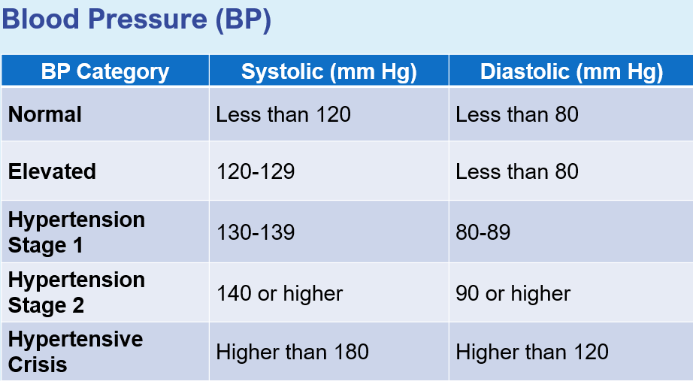
Blood pressure is the force exerted by circulating blood against the walls of your arteries. It’s recorded as two numbers: systolic (the pressure when your heart beats) over diastolic (the pressure when your heart rests between beats). For example, a reading of 120/80 mmHg means a systolic pressure of 120 and a diastolic pressure of 80.
Understanding Your Numbers
Blood pressure readings fall into several categories:
Regular monitoring is essential because blood pressure can fluctuate based on factors like stress, diet, exercise, and even the time of day.
Why It Matters
High blood pressure can damage your arteries, making them less elastic, which decreases the flow of blood and oxygen to your heart. This can lead to heart disease and other complications. It also forces your heart to work harder, which can lead to heart failure over time. Additionally, hypertension is a major risk factor for stroke because it can cause blood vessels in the brain to burst or become blocked.
Beyond heart disease and stroke, uncontrolled high blood pressure can also cause kidney damage, vision loss, sexual dysfunction, and cognitive decline. The longer it goes untreated, the more significant the damage to your body.
Risk Factors – Certain factors increase the likelihood of developing high blood pressure:
– Age: The risk of hypertension increases as you age.
– Family History: Genetics play a role; if your parents had high blood pressure, you’re more likely to develop it.
– Diet: High salt intake, excessive alcohol consumption, and a diet high in processed foods contribute to elevated blood pressure.
– Physical Inactivity: A sedentary lifestyle can lead to weight gain and increased blood pressure.
– Obesity: Excess weight puts more strain on your heart.
– Stress: Chronic stress can contribute to high blood pressure.
– Smoking: Tobacco use raises your blood pressure temporarily and damages your arteries over time.
– Poor Sleep: Over time, consistently poor sleep can contribute to the development of hypertension.

Taking Action
Knowing your numbers is the first step in managing high blood pressure. Regular check-ups with your doctor can help you keep track. Lifestyle changes can make a significant impact. These include:
– Healthy Eating: Follow a balanced diet rich in fruits, vegetables, whole grains, and low-fat dairy. The DASH diet (Dietary Approaches to Stop Hypertension) is specifically designed to lower blood pressure.
– Exercise: Aim for at least 150 minutes of moderate-intensity exercise each week.
– Limit Alcohol: Drink in moderation—up to one drink per day for women and two for men.
– Quit Smoking: This is crucial for overall cardiovascular health.
– Manage Stress: Practice relaxation techniques like deep breathing, meditation, or yoga.
– Get enough good-quality sleep.
High blood pressure is a common but serious condition. By knowing your numbers and taking proactive steps, you can protect your health and reduce your risk of complications. Regular monitoring, a healthy lifestyle, and working closely with your healthcare provider can help you keep your blood pressure in check and maintain your overall well-being.